
ICSI Treatment Overview
Intracytoplasmic Sperm Injection (ICSI) is an advanced fertility technique designed to address male infertility. In this method, a single healthy sperm is carefully injected into an egg in a lab to improve the chances of successful fertilization.
ICSI combines advanced lab techniques with dedicated care to help couples overcome male infertility challenges and achieve pregnancy.
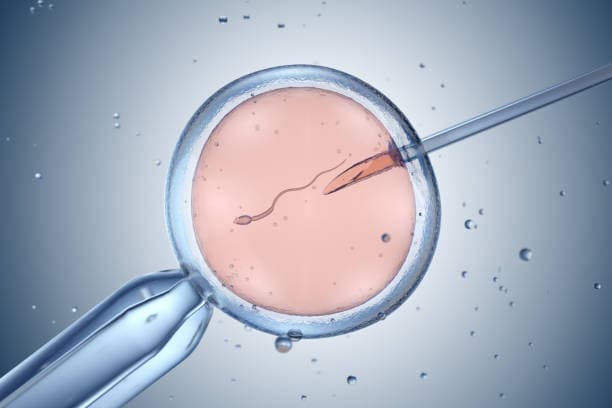
Common Factors That May Lead to ICSI Treatment
ICSI is often advised when traditional IVF may not succeed, especially in cases of male-related infertility. These conditions help identify when ICSI can be a more effective option.
- Extremely low sperm count (oligospermia)
- Irregular sperm movement or abnormal shape
- Blockages that prevent sperm from being released naturally (e.g., vasectomy or congenital issues)
- Use of frozen or surgically extracted sperm (TESA/PESA)
- Past IVF attempts with poor or no fertilization
- Presence of anti-sperm antibodies that hinder sperm performance
Key Steps in the ICSI Treatment Process
ICSI is a refined version of IVF used mainly for cases involving male infertility or when prior fertilization attempts have failed. Below are the main steps involved in the ICSI process.
Step 1: Initial Evaluation and Diagnostics
- Detailed semen analysis (count, movement, shape)
- Hormonal tests (FSH, LH, testosterone)
- Assessment of ovarian reserve (AMH test, follicle count)
- Ultrasound for uterus and ovaries
- Genetic testing if required (like Y-chromosome microdeletion)
- Screening for infections
- Thyroid hormone check (TSH)
- Pelvic exam and transvaginal ultrasound
- Testicular biopsy for sperm extraction in non-obstructive azoospermia
Step 2: ICSI Procedure and Lab Fertilization
- Hormonal stimulation of the ovaries
- Egg retrieval using ultrasound-guided aspiration
- Sperm collection or extraction via TESA/PESA
- ICSI technique: sperm injection into individual eggs
- Monitoring embryo development in the lab
- Transferring embryos into the uterus
- Providing hormonal support during the luteal phase and testing for pregnancy
Step 3: Post-Treatment Care and Monitoring
- Use medications and supplements as prescribed
- Avoid stress and maintain a calm environment
- Refrain from intense physical activities
- Eat a balanced, nutritious diet
- Avoid tobacco, alcohol, and excess caffeine
- Do not engage in sexual activity unless advised
- Attend follow-ups and watch for early signs of pregnancy
Preparing for ICSI includes emotional readiness and lifestyle adjustments. Patients are encouraged to follow the medical team’s instructions closely for better outcomes.
Success Rate of ICSI Treatment in Gurgaon
The success of ICSI treatment depends on several factors, including patient age, sperm and egg quality, and clinical expertise. While ICSI shows high success in male infertility cases, individual results may differ.
IVF Success Rates by Age Group
| Age Group | Average Success Rate |
|---|---|
| Under 35 Years | 50-65% |
| 28 Years | 55-70% |
| 31 Years | 50-60% |
| Over 40 Years | 20-30% |
Note: These figures are averages and do not guarantee outcomes. Success is influenced by multiple factors including lab quality, response to treatment, and overall health.
Dr. Neeru Thakral – Obstetricians & Gynecologist In Gurgaon
Dr. Neeru Thakral is a trusted gynecologist and fertility expert with 28+ years of experience. She is the Director, Sr. Obstetrician & Gynaecologist, Endoscopic Surgeon, and Infertility Specialist at Thakral Hospital and Fertility Centre. Known for her caring approach, she helps women and couples from Gurgaon and nearby areas with affordable and expert care, specializing in high-risk pregnancies, infertility, and advanced surgeries.
How to Book an Appointment with Dr. Neeru Thakral?
If you are having any fertility problems, don’t wait. Talk to Dr. Neeru Thakral and get the right help.
Early check-up and the right treatment can help you live a happy and healthy life. Don’t ignore your health. Dr. Neeru Thakral is always here to help you.

Book Your Appointment Now!
What Our Patients Say
Real Success Stories with Dr. Neeru Thakral
Common Questions About ICSI Treatment