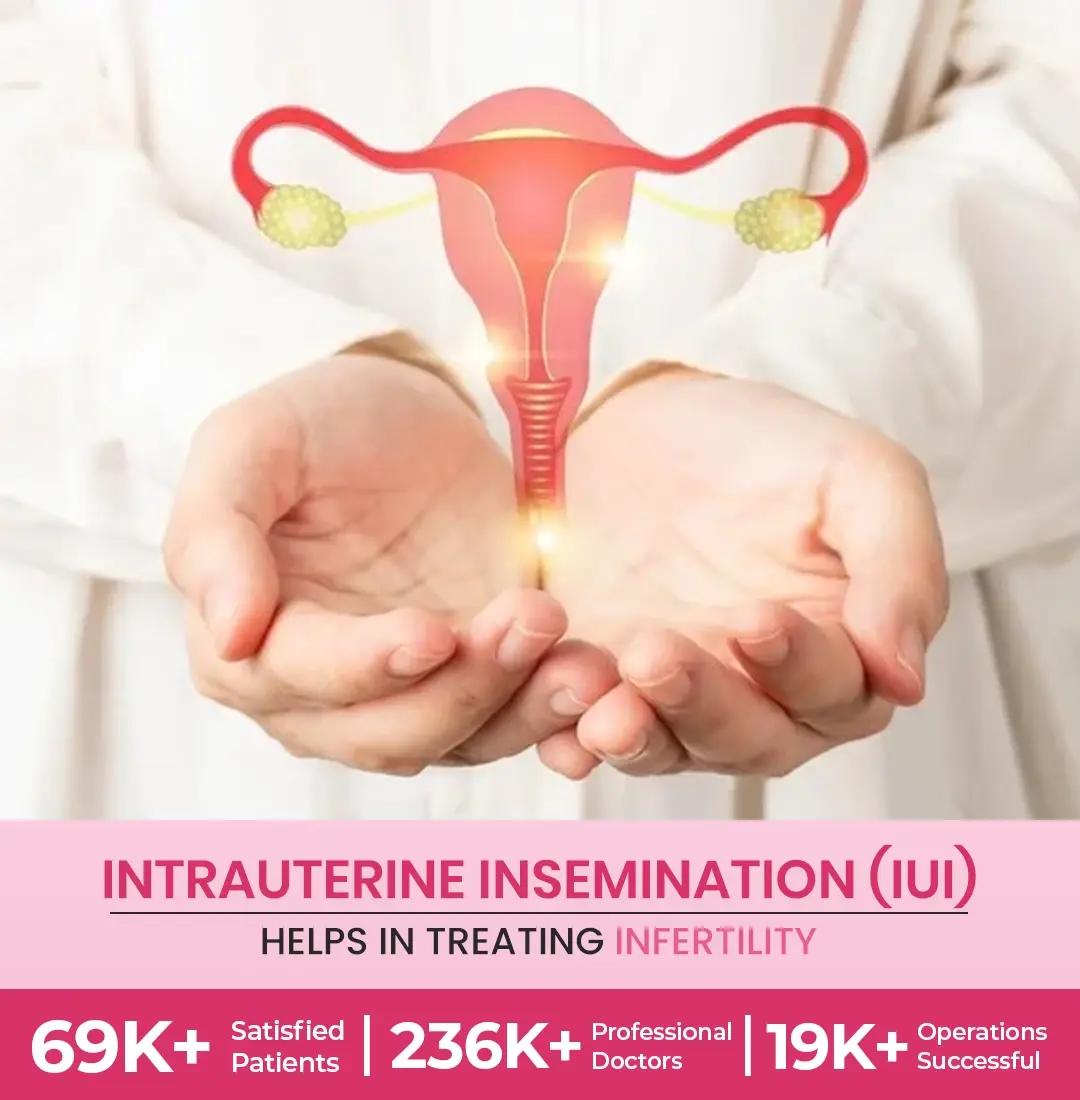
IUI Treatment in Gurgaon: Complete Information and GuidanceWhen couples face fertility challenges, understanding treatment options becomes crucial for making informed decisions. Intrauterine Insemination (IUI) has emerged as one of the most accessible and effective first-line fertility treatments available in Gurgaon and across India.
Understanding IUI Treatment: What You Need to KnowIntrauterine Insemination is a fertility procedure where specially prepared sperm is placed directly into a woman's uterus during her fertile window. This minimally invasive treatment significantly increases the chances of conception by bypassing natural barriers that might prevent pregnancy.
The procedure works by concentrating healthy sperm and positioning them closer to where fertilization occurs. While IUI follows the natural conception process, it optimizes timing and sperm placement to improve pregnancy outcomes.
How IUI Differs from Natural ConceptionDuring natural conception, millions of sperm must travel through the cervix and fallopian tubes to reach the egg. Various factors can impede this journey, including cervical mucus consistency, sperm motility issues, or reproductive tract abnormalities. IUI addresses these challenges by placing prepared sperm directly into the uterus, reducing the distance they must travel and improving fertilization chances.
Who Can Benefit from IUI Treatment?IUI therapy is recommended for various fertility conditions. Understanding these indications helps couples determine if this treatment suits their specific situation.
Male Factor Infertility
- Low sperm count (oligospermia)
- Poor sperm movement (asthenospermia)
- Abnormal sperm shape (teratospermia)
- Ejaculatory problems
- Retrograde ejaculation
The sperm preparation process concentrates the healthiest, most motile sperm while removing potentially harmful substances and debris.
Cervical Factor Infertility
- Thick or acidic cervical mucus
- Anti-sperm antibodies in cervical secretions
- Cervical stenosis (narrowing)
- Previous cervical procedures causing scarring
IUI bypasses these cervical barriers completely, allowing sperm direct access to the uterus.
Unexplained Infertility
Many couples receive a diagnosis of unexplained infertility when standard fertility tests show no obvious problems, yet conception doesn't occur naturally. This condition affects approximately 10-15% of infertile couples. IUI can help by optimizing sperm placement and timing, sometimes revealing subtle fertility factors not detected in initial testing.
Ovulation Disorders
- Polycystic Ovary Syndrome (PCOS)
- Hypothalamic dysfunction
- Luteal phase defects
- Anovulation (absence of ovulation)
Women with irregular ovulation patterns benefit from IUI combined with ovulation-inducing medications. This combination allows precise timing control and coordination of the insemination procedure.
Additional Indications
- Mild endometriosis
- Sexual dysfunction preventing natural conception
- Same-sex couples using donor sperm
- Single women pursuing pregnancy with donor sperm
- HIV-positive male partners (with sperm washing)
The Complete IUI Procedure: Step-by-Step GuideInitial Consultation and Comprehensive Testing
Before beginning IUI treatment, couples undergo thorough fertility evaluation:
For Women:
- Detailed medical and reproductive history
- Physical and pelvic examination
- Hormone level testing (FSH, LH, AMH, TSH, prolactin)
- Ovarian reserve assessment
- Tubal patency testing (HSG or sonohysterography)
- Pelvic ultrasound
For Men:
- Medical history and physical examination
- Comprehensive semen analysis
- Sperm function tests (if indicated)
- Hormonal evaluation (if needed)
- Genetic screening (in specific cases)
Cycle Monitoring and Timing
- Serial transvaginal ultrasounds to track follicle development
- Blood tests measuring estradiol and LH levels
- Ovulation predictor kits (in natural cycles)
- Endometrial thickness assessment
Ovulation Induction Protocols
Oral Medications:
- Clomiphene citrate (Clomid)
- Letrozole (Femara)
Injectable Medications:
- Human Menopausal Gonadotropin (hMG)
- Follicle Stimulating Hormone (FSH)
- Human Chorionic Gonadotropin (hCG) trigger shot
Sperm Collection and Laboratory Preparation
Sample Collection:
- 2–5 days of abstinence recommended
- Sample collected in sterile container
- Immediate transport to laboratory
Sperm Preparation Techniques:
- Sperm washing
- Density gradient centrifugation
- Swim-up technique
- Concentration and volume optimization
The Intrauterine Insemination Procedure
- Patient positioning on examination table
- Speculum insertion
- Cervical cleaning
- Catheter insertion
- Sperm injection
- Catheter removal and brief rest
Post-Procedure Care and Monitoring
- Brief rest (10–15 minutes)
- Resume normal activities
- Medications if prescribed
- Avoid strenuous exercise 24–48 hrs
- Pregnancy test after 12–14 days
IUI Success Rates: Understanding Your ChancesSuccess rates vary significantly based on multiple factors. Understanding these statistics helps couples set realistic expectations.
Factors Influencing Success
Age Factor:
- Women under 35: 12-15% per cycle
- Women 35-39: 8-10% per cycle
- Women 40-42: 5-8% per cycle
- Women over 42: 2-4% per cycle
Cause of Infertility:
- Unexplained infertility: 10-15% per cycle
- Male factor (mild): 8-12% per cycle
- Ovulation disorders: 10-18% per cycle
- Cervical factors: 12-15% per cycle
Number of Follicles:
- Single follicle: 8-10% per cycle
- 2-3 follicles: 15-20% per cycle
- More than 3 follicles: Higher success but increased multiple pregnancy risk
Cumulative Success Rates
- After 3 cycles: 25-35%
- After 6 cycles: 40-50%
- After 12 cycles: Limited additional benefit
Most fertility specialists recommend 3-6 IUI cycles before considering advanced treatments like IVF.
Advanced IUI Techniques and OptionsControlled Ovarian Stimulation
Rather than natural cycles, controlled ovarian stimulation (COS) with fertility drugs:
- Produces multiple mature eggs
- Allows precise timing control
- May improve pregnancy rates
- Requires careful monitoring to prevent complications
Donor Sperm IUI
- Rigorous donor screening for genetic and infectious diseases
- Higher success rates due to proven fertility
- Anonymous or known donor options available
- Comprehensive counseling provided
Sperm Enhancement Techniques
- Microfluidic sperm sorting
- Hyaluronic acid binding assays
- Magnetic-activated cell sorting (MACS)
- Density gradient with swim-up combination
Preparing for IUI Treatment: Optimization StrategiesLifestyle Modifications
Dietary Recommendations:
- Balanced diet rich in folate, iron, and antioxidants
- Prenatal vitamins with folic acid (400-800 mcg daily)
- Adequate protein intake
- Limit processed foods and excess sugar
- Stay hydrated
Weight Management:
- Maintain healthy BMI (18.5-24.9)
- Gradual weight loss if overweight
- Avoid extreme dieting during treatment
Exercise Guidelines:
- Moderate exercise regularly
- Avoid high-intensity training during treatment
- Yoga and meditation for stress reduction
Lifestyle Factors:
- Complete smoking cessation
- Limit alcohol consumption
- Adequate sleep (7-8 hours nightly)
- Stress management techniques
Medical Optimization
Pre-existing Conditions:
- Thyroid disorder management
- Diabetes control optimization
- Blood pressure regulation
- Treatment of any infections
Supplement Recommendations:
- Folic acid supplementation
- Vitamin D optimization
- Coenzyme Q10 (for some patients)
- Omega-3 fatty acids
Understanding Costs and Financial PlanningTypical Cost Components
Basic IUI Cycle Costs:
- Initial consultation and testing: ₹5,000-15,000
- Cycle monitoring: ₹3,000-8,000
- Fertility medications: ₹2,000-20,000
- Sperm processing: ₹2,000-5,000
- IUI procedure: ₹3,000-8,000
- Total per cycle: ₹15,000-50,000
Additional Costs:
- Advanced testing if needed
- Multiple cycle packages (often discounted)
- Donor sperm (if required)
- Cryopreservation services
Insurance Coverage in India
- Some corporate insurance plans include fertility benefits
- Government schemes may cover basic treatments
- Many treatments require out-of-pocket payment
- Medical loans available at many centers
Potential Risks and Side EffectsProcedure-Related Risks (Rare)
- Mild cramping during or after procedure
- Light spotting for 1-2 days
- Very low infection risk (less than 1%)
- Extremely rare allergic reactions
Medication-Related Side Effects
Clomiphene/Letrozole:
- Hot flashes
- Mood changes
- Breast tenderness
- Visual disturbances (rare)
Injectable Gonadotropins:
- Injection site reactions
- Ovarian hyperstimulation syndrome (OHSS)
- Multiple pregnancy risk
- Ovarian enlargement
Multiple Pregnancy Considerations
- Natural conception: 1-2% twins
- IUI with medications: 5-12% twins
- Triplets: Less than 1%
Multiple pregnancies carry increased risks requiring specialized obstetric care.
When IUI May Not Be AppropriateCertain conditions make IUI unlikely to succeed, requiring alternative treatments:
Absolute Contraindications:
- Blocked fallopian tubes
- Severe tubal scarring
- Active pelvic infection
- Untreated cervical cancer
Relative Contraindications:
- Severe male factor infertility
- Advanced maternal age (>42-43 years)
- Poor ovarian reserve
- Severe endometriosis
- Multiple failed IUI cycles
Emotional Support During TreatmentFertility treatment can be emotionally challenging. Common experiences include:
- Anxiety about success rates
- Stress from treatment scheduling
- Relationship strain
- Financial concerns
- Hope mixed with fear of disappointment
Support Resources
Professional Support:
- Fertility counselors
- Support groups
- Mental health professionals
- Stress reduction programs
Self-Care Strategies:
- Open communication with partner
- Stress management techniques
- Maintaining normal activities
- Building support networks
Making Informed Treatment DecisionsChoosing IUI treatment requires careful consideration of multiple factors:
Medical Factors:
- Cause and duration of infertility
- Age and overall health
- Previous treatment outcomes
- Partner's fertility status
Personal Factors:
- Financial resources and insurance coverage
- Time availability for treatment
- Emotional readiness
- Religious or cultural considerations
Treatment Factors:
- Realistic success rate expectations
- Number of cycles to attempt
- Alternative treatment options
- Clinic selection criteria
Selecting the Right Healthcare ProviderClinic Credentials:
- Board-certified reproductive endocrinologists
- Accredited laboratory facilities
- Success rate transparency
- Experience with your specific condition
Services Offered:
- Comprehensive fertility testing
- Multiple treatment options
- Counseling and support services
- Financial consultation
Practical Considerations:
- Location and accessibility
- Appointment availability
- Staff communication and support
- Transparent pricing policies
The Path Forward: Next Steps- Initial Consultation: Comprehensive evaluation and treatment planning
- Testing Phase: Complete fertility assessment for both partners
- Treatment Planning: Customized approach based on individual needs
- Cycle Preparation: Optimization of health and treatment protocols
- Treatment Implementation: Careful monitoring and procedure execution
- Follow-up Care: Ongoing support and outcome evaluation
Remember that fertility treatment is a journey requiring patience, persistence, and hope. While IUI offers many couples an effective, less invasive option for achieving pregnancy, success depends on multiple factors working together. Understanding these factors helps couples approach treatment with realistic expectations and informed optimism.
Each couple's path to parenthood is unique, and what works for one may not be appropriate for another. Taking time to research, ask questions, and work with qualified healthcare providers ensures the best possible outcomes while maintaining physical and emotional well-being throughout the process.